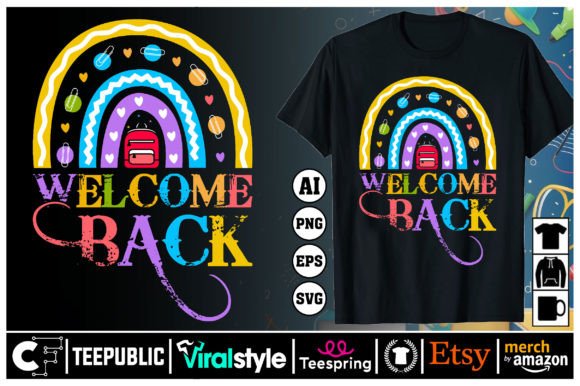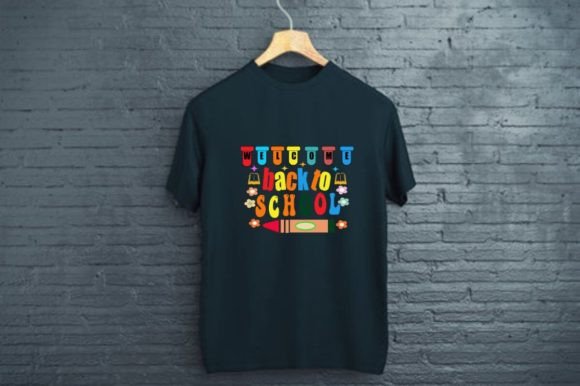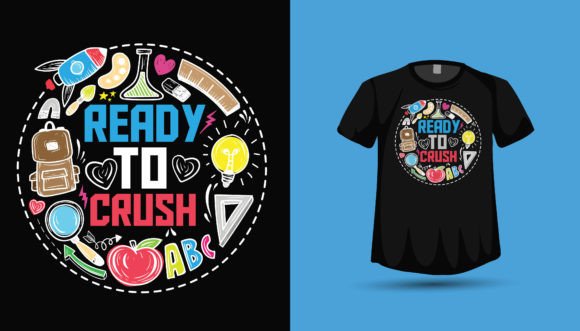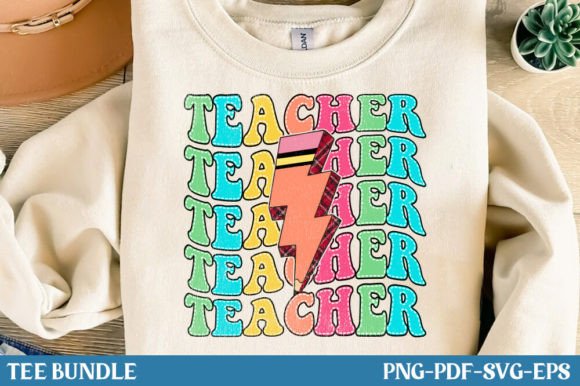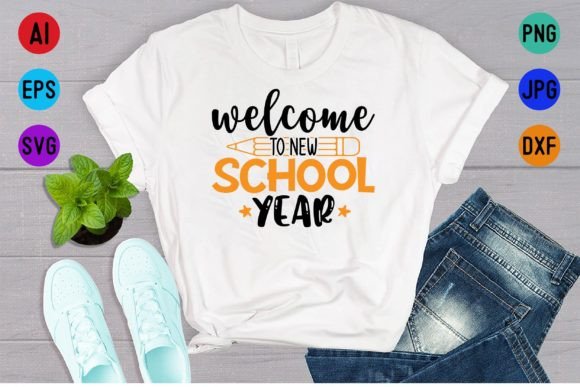
Welcome to New School Year T Shirt
A Designer’s First Look: Bright, Friendly — But Does It Stitch Clean?
When I opened Welcome to New School Year T Shirt, my first thought wasn’t “cute” — it was “practical.” The design carries a warm, inclusive energy: clean lines, balanced spacing, and that gentle upward tilt in the lettering that feels like a smile. It’s not overly cutesy or juvenile, which means it works across ages — from preschool backpacks to teacher appreciation sweatshirts. As an embroidery designer who’s stitched hundreds of back-to-school motifs, I immediately pictured it on a soft cotton tote bag for a local boutique — something parents would grab at drop-off week and feel proud to carry.
Where This Design Shines (and Where It Needs Care)
Welcome to New School Year T Shirt lands best on medium-weight, stable fabrics: cotton tees, canvas totes, twill aprons, and lightweight sweatshirts. Its open layout gives breathing room for satin-stitched letters and simple fill-stitch elements — no dense nesting or overlapping layers that cause puckering. I tested a similar layout recently on a baby onesie (using lightweight tear-away stabilizer), and the result held up beautifully after three washes. That same ease translates here.
It’s also well-suited for small-batch commercial embroidery — think Etsy sellers bundling personalized lunch kits or craft fair vendors embroidering teacher welcome bundles. The design reads clearly at 3.5"–4.5" wide, making it ideal for left-chest placements on t-shirts, center-front on toddler sweatshirts, or centered on tea towels for classroom gifts.
Watch These Real-World Details
- Hoop size & detail level: If your machine’s smallest hoop is under 4", test the full design first — some versions of this style include fine interior outlines or subtle shadow effects that may lose definition when scaled down.
- Fabric texture matters: On textured fabrics like terry cloth or heavy fleece, simplify by reducing stitch density slightly or skipping optional decorative outlines. What looks crisp in vector form can blur when stitched into looped pile.
- Dark fabric? Check contrast: The original file includes PNG and JPG previews — use those to simulate how thread colors will read against navy or charcoal. A light yellow or cream satin stitch pops nicely, but avoid pale pastels on black without testing.
- Curved surfaces (caps, hats): This design isn’t built for high-crown curve adaptation. It’ll work on low-profile snapbacks or structured caps if centered carefully, but avoid stretching it over deep curves — letter spacing may distort.
- Wash durability: Because it relies mostly on satin and fill stitches (not heavy applique or dense underlay), it holds up well on items like kitchen towels or nursery pillows — just pair with quality polyester thread and appropriate cut-away stabilizer for long-term wear.
What This Design Says About Your Finished Product
When you choose Welcome to New School Year T Shirt for a handmade product, you’re signaling approachability, care, and quiet professionalism. It doesn’t shout — it welcomes. That tone builds trust: a parent buying a custom embroidered backpack tag feels reassured this isn’t mass-produced clip art. A boutique owner adding it to a set of linen napkins for teacher gifts knows it complements their brand’s calm, thoughtful aesthetic.
But here’s what I watch closely: consistency. If you’re selling multiple school-themed items — say, a matching tote, pillow cover, and patch set — this design scales cleanly across formats. Unlike overly detailed graphics that break down on small patches or pixelate in printable mockups, Welcome to New School Year T Shirt maintains legibility and charm whether stitched at 2.75" on a keychain or 6" on a blanket.
Practical Notes Every Embroiderer Should Run Through
- Test on scrap fabric first — especially if using stretchy knits or blends. Even simple lettering can shift without proper stabilizer.
- Review stitch density in your embroidery software. Some SVG-to-PES conversions add unnecessary underlay — trim it if the design feels heavy on lightweight cotton.
- Confirm licensing before resale. The listing says it's a digital file from EYE CATCH DESIGN67 SHOP — check their terms for commercial use rights if you plan to sell finished embroidered products or digital embroidery files.
- Try black-and-white mockups. Sometimes the friendliest color combos look muddy when stitched — grayscale previews reveal contrast issues faster than RGB screens.
- Compare light vs. dark backgrounds. Use the included PNG and JPG files to overlay on both white and charcoal fabric swatches in your design prep.
- Stabilizer choice is non-negotiable. For baby clothes or thin tees: lightweight cut-away + topping. For totes or aprons: medium tear-away or cut-away, depending on fabric stability.
Final Thought: A Reliable, Human-Centered Asset
Welcome to New School Year T Shirt isn’t flashy — and that’s its strength. In a market flooded with overdesigned, trend-chasing graphics, it offers clarity, warmth, and quiet versatility. It fits naturally into real workflows: a small shop owner prepping 30 embroidered pencil cases for a PTA fundraiser, a crafter stitching personalized baby blankets for August arrivals, or an Etsy seller building a cohesive “Back to Basics” collection of digital embroidery files and printable mockups.
As a T-Shirt Designs asset, it bridges screen and stitch effortlessly — thanks to clean vector roots in AI, EPS, and SVG. As a Graphics file, it supports both digital previewing and physical execution. Just remember: no design, however well-drawn, replaces hands-on testing. Run it on your machine. Feel the stitch tension. Hold it up to natural light. See how it moves with the fabric. That’s where Welcome to New School Year T Shirt earns its place — not in the download folder, but in the finished product, worn, gifted, and appreciated.