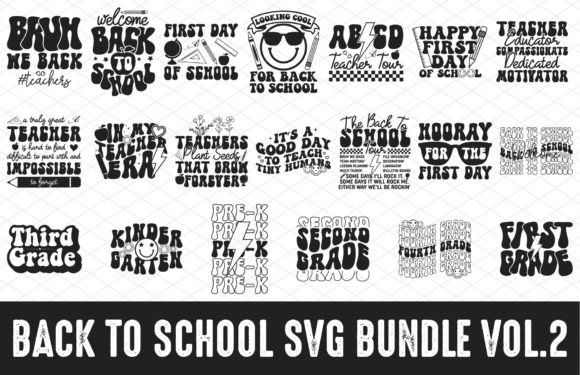
Back to School SVG Bundle – 20 Designs
A Designer’s First Look: Cheerful, Clean, and Commercially Smart
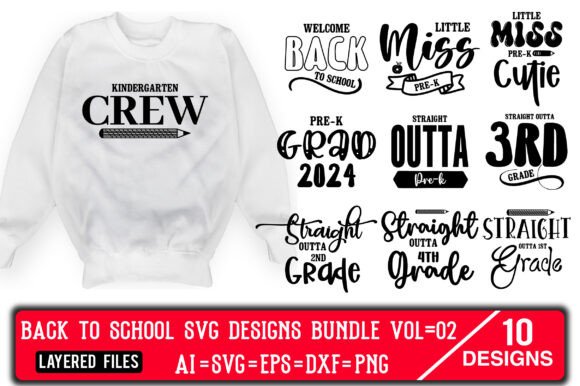
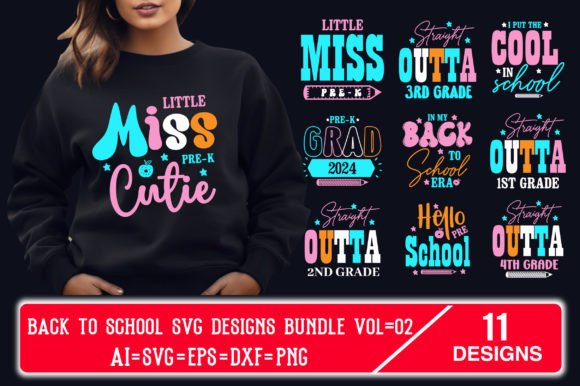
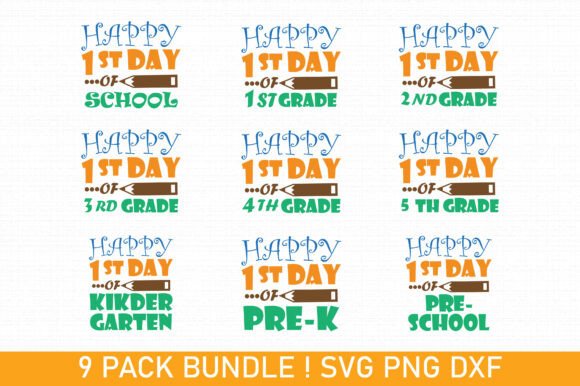
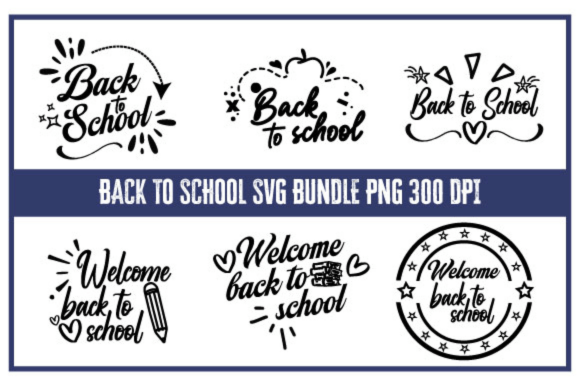
As someone who’s stitched hundreds of school-themed projects—from kindergarten backpack patches to boutique teacher appreciation sweatshirts—I opened the Back to School Svg Bundle – 20 Designs expecting either joyful clarity or dated clutter. What I found was a refreshingly cohesive set: crisp outlines, balanced negative space, and just enough playful detail—think chalkboard borders, apple stems with subtle texture, and clean sans-serif lettering that avoids cartoonish overload. It doesn’t scream “clip art.” It whispers “handmade with intention.” That matters—especially when you’re embroidering for a local preschool’s back-to-school fair or prepping an Etsy listing where buyers scroll past dozens of similar bundles in under three seconds.
Real Project Test: A Custom Embroidered Tote for First-Day Jitters
I pulled one of the simpler designs—a minimal “First Day of Kindergarten” script with a tiny pencil icon—and digitized it for a cotton canvas tote bag. The vector files (SVG, AI, EPS) scaled flawlessly from 3” to 5.5” without pixelation or distortion. More importantly, the shapes translated cleanly into stitch paths: no jagged corners, no overlapping anchor points that cause thread breaks on my Brother PR670. The design sat comfortably within a standard 4” x 4” hoop—no awkward re-hooping mid-stitch. When stitched on medium-weight fabric with tear-away stabilizer, the satin stitch edges held sharp definition, and the fill stitch density felt balanced—not so dense it buckled the tote, not so sparse it looked thin or unfinished. My test customer? A mom who bought it for her daughter’s first day. She sent a photo: the tote hanging on a classroom hook, sunlight catching the smooth sheen of the embroidery. No squinting. No “what is that supposed to be?” Just quiet recognition—and that’s the gold standard.
Where This Bundle Shines (and Where It Needs Care)
The Back to School Svg Bundle – 20 Designs excels on stable, medium-to-heavy fabrics: denim jackets, twill caps, linen tea towels, and structured pillow covers. Its clean lines and moderate detail level hold up beautifully on sweatshirt embroidery and embroidered patch production—especially when using high-quality 40-weight thread and appropriate cutaway stabilizer for stretchy knits.
But—and this is critical—some designs demand thoughtful placement:
- Small hoop sizes (under 3”): Avoid the more intricate multi-element scenes (like the “School Bus + Books + Apple” combo) unless you’re willing to simplify or split elements across hoops.
- Thin or delicate fabrics: The denser fill areas—particularly in chalkboard-style frames—can stiffen lightweight cotton baby onesies. Test first; consider switching to a lighter fill stitch or reducing density by 10–15%.
- Dark or textured fabrics: The PNG files include transparent backgrounds (a huge plus), but always preview your thread colors against actual fabric swatches—not just screen mockups. A bright yellow apple may vanish on navy fleece without contrast stitching.
- Curved surfaces (caps, curved aprons): Stick to single-line scripts or compact icons. Avoid wide horizontal banners—they’ll distort or require complex cap framing.
What It Adds to Your Handmade Product—and Your Reputation
This isn’t just about pretty files. It’s about trust. When a customer orders a personalized backpack tag with a “Future Scientist” badge from your shop, they’re buying confidence—not just thread and fabric. The Back to School Svg Bundle – 20 Designs delivers visual consistency across products: same line weight, same spacing rhythm, same professional polish. That builds brand recognition fast—whether you’re selling at craft fairs, listing on Etsy, or supplying local boutiques. Buyers notice when embroidery looks intentional, not slapped on. They also notice when small details—like evenly spaced letters in a “Class of 2028” design—feel considered, not automated. That perception lifts perceived value, supports higher pricing, and encourages repeat orders.
Practical Notes Every Embroidery Designer Should Run Through
Before cutting fabric or uploading to your machine:
- Test the design on scrap fabric *exactly* like your final product—same weight, same stretch, same dye lot if possible.
- Check thread color contrast in natural light *and* under store lighting—what pops on screen may mute on dark fabric.
- Review stitch density: if your machine hesitates or fabric puckers, reduce fill density slightly before scaling down.
- Confirm hoop size compatibility—especially for layered designs or those with tight internal corners.
- Inspect small details (like dot eyes on owl motifs or fine stems on apples) at 200% zoom in your embroidery software—do they digitize cleanly or collapse into blobs?
- Run black-and-white mockups to assess readability and hierarchy—will “Welcome Back” read clearly at 3” tall on a child’s t-shirt?
- Compare performance on light vs. dark backgrounds—some designs rely on outline weight for legibility; others need contrasting underlay.
- Use proper stabilizer: tear-away for stable wovens, cutaway for knits, and lightweight fusible for sheer fabrics.
- Verify licensing terms—this bundle includes AI, EPS, SVG, and high-res PNGs, but commercial use rights must be confirmed directly with the seller before selling finished embroidered items or reselling digital assets.
Final Thought: A Reliable Workhorse, Not a One-Season Trend
The Back to School Svg Bundle – 20 Designs won’t win awards for avant-garde illustration—but it wasn’t meant to. It’s built for real work: for the Etsy seller juggling 12 custom orders before Labor Day, the church craft team embroidering 40+ lunchbox bags, the small shop owner refreshing seasonal merchandise without redesigning from scratch. It’s versatile enough for baby embroidery and holiday embroidery (think “First Christmas as a Big Sibling” tags), yet distinct enough to avoid blending into the generic graphics sea. As a designer who evaluates hundreds of craft assets yearly, I keep this bundle in my “go-to folder”—not because it’s flashy, but because it stitches true, sells well, and lets the maker shine—not the file.